The Role of Smart Contracts in Web3 Unveiled
Beginning with The Role of Smart Contracts in Web3, this discussion explores the transformative potential of smart contracts as they reshape industries and redefine transactions in the digital landscape. As foundational elements of Web3, smart contracts bring automation and trust to various applications, from decentralized finance to supply chains, allowing for seamless interactions without intermediaries.
Smart contracts are self-executing agreements with the terms directly written into code, eliminating ambiguity and ensuring transparency. Their evolution from traditional contracts highlights how technology is revolutionizing legal agreements, paving the way for innovative solutions across diverse sectors.
Introduction to Smart Contracts
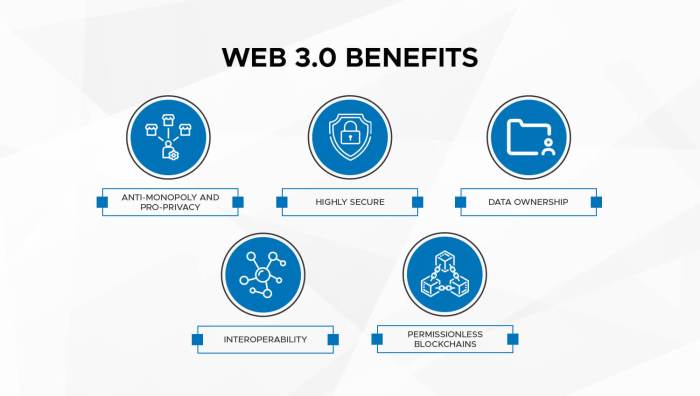
Source: oodles.io
Smart contracts are self-executing contracts wherein the terms of the agreement are directly written into code. They facilitate, verify, or enforce the negotiation or performance of a contract and are stored on a blockchain. An example of their use can be seen in the insurance industry, where smart contracts can automatically process claims when certain conditions are met, eliminating the need for manual intervention.
Similarly, in the real estate sector, smart contracts can automate the transfer of property titles upon payment, significantly reducing transaction times and costs.In the context of Web3, smart contracts are crucial as they empower decentralized applications (dApps) and eliminate the need for intermediaries. This decentralization fosters transparency, security, and efficiency, changing how businesses and individuals interact. The evolution of smart contracts from traditional contracts marks a significant shift; where traditional contracts rely on legal systems and intermediaries, smart contracts operate autonomously and are executed on a blockchain, which is immutable and transparent.
Significance of Smart Contracts in Web3
Smart contracts play a vital role in the Web3 ecosystem by enabling decentralized finance (DeFi), non-fungible tokens (NFTs), and digital identity management. Their ability to automate complex processes without intermediaries is revolutionizing various industries. For instance, in DeFi, platforms like Aave and Uniswap utilize smart contracts to provide lending and trading services, ensuring that transactions occur seamlessly and securely. This innovation not only democratizes access to financial services but also enhances security and reduces costs.
In the realm of NFTs, smart contracts facilitate the creation, buying, and selling of unique digital assets, ensuring authenticity and ownership. By automating royalty payments, artists and creators can receive fair compensation without the need for intermediaries. Smart contracts also enhance digital identity management by allowing users to control their personal data, sharing it selectively with service providers while maintaining privacy.
“Smart contracts can eliminate the need for intermediaries and enhance the efficiency of transactions.”
The evolution from traditional contracts to smart contracts is marked by several key factors:
- Automation: Smart contracts execute automatically when conditions are met, reducing delays and errors associated with manual processing.
- Transparency: All parties involved can view the contract terms and execution on the blockchain, ensuring accountability.
- Security: The decentralized nature of blockchains protects against tampering and fraud, which is often a risk in traditional contract execution.
- Cost-effectiveness: By removing intermediaries, transactions become less costly, and the process becomes more efficient.
Components of Smart Contracts
Smart contracts are self-executing contracts with the terms of the agreement directly written into code. Their architecture is crucial in ensuring the reliability and efficiency of decentralized applications in the Web3 ecosystem. Understanding the essential components that make up smart contracts helps in grasping their functionality and significance in blockchain technology.The core components of a smart contract include the code, the blockchain protocol, and the conditions under which the contract operates.
The code is responsible for the business logic, while the blockchain serves as a distributed ledger for recording transactions. The conditions define how and when the contract will execute, based on predefined criteria.
Key Components of Smart Contracts
Several key components are integral to the operation of smart contracts. These components work in tandem to ensure the smooth execution and management of agreements on the blockchain:
- Code: The foundational element of smart contracts, the code defines the rules and logic of the contract. It dictates how the contract behaves under various conditions.
- Blockchain Platform: Smart contracts are deployed on blockchain platforms, which provide the infrastructure necessary for their execution and storage. Common platforms include Ethereum, Binance Smart Chain, and Cardano.
- Execution Environment: This is the runtime environment where the smart contract operates. It is responsible for executing the code and managing state changes.
- Data Storage: Smart contracts maintain state information and data associated with the contract, which is recorded on the blockchain.
- Events: Smart contracts can emit events to signal that certain actions have been completed, allowing external applications to respond accordingly.
Programming Languages for Smart Contract Development
The development of smart contracts involves specific programming languages tailored for blockchain environments. The most popular languages include:
- Solidity: Primarily used for Ethereum, Solidity is a statically typed language designed for writing smart contracts and is heavily influenced by JavaScript, Python, and C++.
- Vyper: A newer language also for Ethereum, Vyper emphasizes security and simplicity, making it easier to audit than Solidity.
- Rust: Used mainly in the Polkadot and Solana ecosystems, Rust is known for its performance and safety, making it an excellent choice for building robust smart contracts.
- Michelson: A low-level language used in Tezos, Michelson is designed for formal verification, ensuring that contracts behave as intended.
- Clarity: This language is utilized in the Stacks ecosystem and is notable for being decidable, meaning developers can predict whether a program will successfully terminate.
Comparison of Smart Contract Platforms
Different blockchain platforms offer varying features and capabilities for developing and deploying smart contracts. The following table Artikels key differences among popular platforms:
| Platform | Programming Language | Transaction Speed | Consensus Mechanism | Notable Features |
|---|---|---|---|---|
| Ethereum | Solidity, Vyper | ~15 TPS | Proof of Stake | Wide adoption, robust ecosystem, extensive documentation |
| Binance Smart Chain | Solidity | ~55 TPS | Proof of Staked Authority | Lower fees, compatibility with Ethereum |
| Cardano | Plutus, Marlowe | ~250 TPS | Ouroboros (Proof of Stake) | Focus on formal verification, strong security protocols |
Understanding the components and languages used in smart contracts is essential for developers and businesses looking to leverage blockchain technology effectively.
How Smart Contracts Function
Smart contracts are self-executing contracts with the terms of the agreement directly written into code. They operate on blockchain technology, enabling transparency, security, and automation of processes without intermediaries. Understanding how smart contracts function is crucial for anyone looking to grasp their potential and implications within the Web3 ecosystem.Creating a smart contract involves a series of steps that ensure it is properly designed, tested, and deployed on the blockchain.
Here’s a breakdown of the process involved in creating and deploying a smart contract, along with how transactions operate within it.
Process of Creating and Deploying a Smart Contract
The creation and deployment of a smart contract is a methodical process that encompasses several key steps, ensuring functionality and security. Each phase plays a vital role in the contract’s lifecycle.
- Define the Purpose: Clearly Artikel what the smart contract is intended to accomplish. This could be anything from facilitating transactions to managing digital assets.
- Write the Code: Utilize a programming language like Solidity (for Ethereum) to write the smart contract’s code. This code should encapsulate all the rules and conditions of the agreement.
- Test the Contract: Before deployment, conduct thorough testing in a controlled environment (like a testnet) to identify and rectify bugs or vulnerabilities.
- Deploy on the Blockchain: Once testing is complete, deploy the smart contract on the blockchain. This involves publishing the code to the network, making it immutable and accessible to users.
- Interact with the Contract: After deployment, users can interact with the smart contract via transactions, invoking its functions as per the predefined rules.
Operation of Transactions within a Smart Contract
Transactions within a smart contract occur when users invoke its functions, triggering predefined actions. Understanding this process highlights the efficiency and security that smart contracts offer.The transaction process involves several steps that ensure the integrity and execution of actions within the smart contract.
“Smart contracts automatically enforce the terms of an agreement, reducing the reliance on intermediaries.”
Here’s a step-by-step breakdown of how transactions operate:
- Initiation: A user initiates a transaction by sending a request to the smart contract, which may involve sending cryptocurrency or data.
- Validation: The blockchain network validates the transaction, checking for sufficient funds and compliance with the smart contract’s rules.
- Execution: Upon validation, the smart contract executes the function specified in the transaction, such as transferring assets or updating records.
- Consensus: Network nodes reach consensus on the transaction’s validity, ensuring that the execution is agreed upon and recorded on the blockchain.
- Finalization: Once consensus is achieved, the transaction is permanently recorded on the blockchain, providing an immutable record of the execution.
Importance of Blockchain Technology in Smart Contract Execution
Blockchain technology serves as the backbone for smart contracts, providing the necessary infrastructure for their secure and efficient execution. The decentralized nature of blockchain eliminates the need for intermediaries, enhancing trust among parties involved in a transaction.The significance of blockchain in the context of smart contracts is multifaceted:
- Security: Transactions recorded on the blockchain are cryptographically secured, making it nearly impossible to alter or tamper with the data.
- Transparency: All participants can view the transaction history, ensuring accountability and reducing disputes.
- Automation: Smart contracts execute automatically when conditions are met, streamlining processes and reducing the potential for human error.
- Cost Efficiency: By removing intermediaries, blockchain technology can significantly reduce transaction costs and time delays.
Advantages of Smart Contracts in Web3: The Role Of Smart Contracts In Web3
Smart contracts bring forth a set of distinct advantages that set them apart from traditional contracts. Their digital nature allows for automated processes, significantly reducing the need for intermediaries and enhancing the overall efficiency of transactions. As businesses and individuals increasingly embrace the decentralized web, understanding the benefits of smart contracts becomes crucial to harnessing their potential effectively.One key advantage of smart contracts is their ability to streamline operations, resulting in cost savings and time efficiencies.
Traditional contracts often involve extensive paperwork, prolonged negotiation periods, and costs related to mediators, such as legal professionals. In contrast, smart contracts execute automatically once predefined conditions are met, minimizing human error and administrative overhead. This efficiency translates into reduced operational costs and faster transaction processing.
Cost Savings and Efficiency Improvements
The financial implications of utilizing smart contracts can be significant. Businesses can realize substantial savings by eliminating intermediaries and reducing administrative workloads. The following points illustrate how these contracts can drive cost savings and improve efficiency:
- Direct Transactions: Smart contracts facilitate peer-to-peer transactions without the need for brokers, leading to lower fees and quicker settlement times.
- Reduced Legal Costs: By automating contract enforcement, organizations spend less on legal consultations and dispute resolutions.
- Faster Processing: The automation of contractual obligations allows for nearly instantaneous execution of agreements, speeding up transactions and enhancing cash flow.
- Lower Operational Costs: Businesses can decrease labor costs associated with managing contracts and compliance, as smart contracts minimize the need for ongoing oversight.
Transparency and Security
Transparency and security are fundamental features of smart contracts that enhance their appeal in the Web3 landscape. The decentralized nature of blockchain technology ensures that all transactions made through smart contracts are publicly accessible and verifiable. This openness fosters trust among users and diminishes the likelihood of fraud.
“Transparency in smart contracts reduces the risk of manipulation and ensures every participant can verify the integrity of the transaction.”
The secure environment provided by blockchain technology plays a crucial role in maintaining the integrity of smart contracts. Each transaction is cryptographically secured, making it nearly impossible to alter or tamper with the contract once it is deployed. This heightened level of security is particularly important in industries like finance and supply chain, where trust and data integrity are paramount.The following aspects highlight the significance of transparency and security in smart contracts:
- Immutable Records: Once deployed on the blockchain, smart contracts cannot be changed, ensuring that all parties adhere to the agreed-upon terms.
- Public Verification: Participants can view and verify the execution of contracts, promoting accountability and trust within the network.
- Enhanced Security Protocols: The cryptographic nature of blockchain protects against hacking and fraud, ensuring that sensitive data remains confidential.
- Audit Trails: Every transaction is recorded on the blockchain, providing a clear and permanent audit trail for compliance and verification purposes.
Challenges and Limitations of Smart Contracts
Implementing smart contracts within the Web3 ecosystem brings a host of advantages but also presents significant challenges and limitations. Understanding these obstacles is crucial for developers and businesses alike, as it affects the efficiency and reliability of smart contracts in real-world applications.
Common Challenges Faced During Implementation
The deployment of smart contracts is often hindered by various challenges, which can impact their functionality and acceptance. These challenges include:
- Complexity of Development: Writing smart contracts requires expertise in blockchain technology and the specific programming languages used, such as Solidity for Ethereum. This steep learning curve can limit the pool of developers capable of creating efficient contracts.
- Integration with Existing Systems: Smart contracts must often interact with traditional systems and databases, which can lead to compatibility issues and require additional resources for integration.
- Scalability Issues: Many blockchain networks face scalability challenges that can lead to high transaction costs and slow processing times during peak demand, affecting the performance of smart contracts.
Code Bugs and Security Vulnerabilities
Security is a paramount concern when it comes to smart contracts. The immutability of blockchain means that any bugs or vulnerabilities in the code can lead to irreversible consequences.
- Code Bugs: Even minor mistakes in the code can result in substantial financial losses. For example, the infamous DAO hack in 2016 resulted from a vulnerability in the smart contract’s code, leading to the loss of $60 million worth of Ether.
- Security Vulnerabilities: Smart contracts are often targets for malicious attacks. Issues such as reentrancy attacks, where an attacker exploits a function call to withdraw funds multiple times, pose significant risks.
- Testing and Auditing: Comprehensive testing and security auditing are essential yet often neglected due to time and budget constraints, increasing the likelihood of vulnerabilities being exploited.
Regulatory and Legal Considerations
The regulatory landscape surrounding smart contracts is still in development, leading to uncertainty about their legal status. This can hinder adoption and innovation in the space.
- Lack of Standardization: There are currently no universally accepted standards for smart contracts, which creates ambiguity in legal interpretations and enforcements.
- Jurisdictional Challenges: Smart contracts operate on a blockchain that is decentralized and global, making it challenging to determine which jurisdiction’s laws apply in case of a dispute.
- Compliance with Regulations: Organizations must navigate a complex web of regulations, including KYC (Know Your Customer) and AML (Anti-Money Laundering) laws, which can complicate the deployment of smart contracts in various industries.
Use Cases of Smart Contracts in Web3

Source: medium.com
Smart contracts are revolutionizing various sectors within the Web3 ecosystem by automating processes, enhancing security, and increasing transparency. They enable trustless interactions and eliminate the need for intermediaries. With applications spanning across decentralized finance (DeFi), non-fungible tokens (NFTs), and numerous industries, the potential of smart contracts is vast and continuously evolving.
Smart Contracts in Decentralized Finance (DeFi), The Role of Smart Contracts in Web3
Smart contracts are the backbone of decentralized finance, enabling a variety of financial services without traditional intermediaries. By executing transactions automatically based on predefined conditions, they ensure efficiency and security. Key applications include:
- Automated Market Makers (AMMs): These platforms, like Uniswap, utilize smart contracts to facilitate token swaps without a centralized exchange, allowing users to trade directly from their wallets.
- Lending Protocols: Platforms such as Aave and Compound leverage smart contracts to allow users to lend or borrow assets, with interest rates dynamically adjusted based on supply and demand.
- Yield Farming: Smart contracts enable users to earn rewards by providing liquidity to DeFi protocols, optimizing returns through various investment strategies.
- Insurance: Decentralized insurance platforms utilize smart contracts to automate claims processing, ensuring faster payouts when certain conditions are met.
Smart Contracts in Non-Fungible Tokens (NFTs)
The rise of NFTs is significantly attributed to smart contracts, which facilitate the creation, buying, selling, and trading of unique digital assets. Each NFT is coded with specific attributes encoded in a smart contract, which verifies ownership and authenticity.Noteworthy uses include:
- Digital Art and Collectibles: Artists can tokenize their artwork as NFTs, giving them control over royalties and ownership rights, while collectors can verify authenticity through blockchain records.
- Gaming: Blockchain games utilize smart contracts to create unique in-game assets that players can own, trade, or sell, fostering a player-driven economy.
- Music and Media: Musicians and content creators can release their work as NFTs, ensuring they receive a fair share of the revenue through direct sales without intermediaries.
Industries Innovating with Smart Contracts
Various industries are exploring the capabilities of smart contracts, leading to innovative solutions that streamline operations and enhance transparency. The implementation of smart contracts can significantly reduce costs and improve efficiency.The following industries are making strides:
- Supply Chain Management: Smart contracts automate tracking, verification, and payments for goods as they move through the supply chain, increasing transparency and reducing fraud.
- Real Estate: Real estate transactions are becoming more efficient as smart contracts automate the buying, selling, and leasing of properties, ensuring seamless transfers of ownership.
- Healthcare: Smart contracts can manage patient records and consent, ensuring that sensitive data is shared securely and only with authorized parties.
- Gaming: Beyond NFTs, smart contracts are used in game mechanics, allowing for transparent and fair gameplay by automating transactions and rewards.
Future of Smart Contracts in Web3
As we look ahead, the future of smart contracts in the Web3 ecosystem is brimming with potential. Emerging technologies and innovative trends are set to reshape the way smart contracts function, making them more efficient, accessible, and integral to various industries. Understanding these advancements is crucial for both developers and businesses looking to leverage the power of smart contracts.
Emerging Trends and Technologies
Several trends are emerging that promise to enhance the capabilities of smart contracts. These include:
- Interoperability: The future will see greater interoperability among various blockchain networks, allowing smart contracts on different platforms to communicate with one another efficiently. This can lead to seamless transactions and data flow across different ecosystems.
- Integration with AI: The incorporation of artificial intelligence (AI) into smart contracts will enable automated decision-making processes, enhancing their functionality. Smart contracts could analyze data in real-time and execute actions based on predefined conditions.
- Layer 2 Solutions: Layer 2 scaling solutions are likely to become a standard, reducing gas fees and improving transaction speeds. As these technologies mature, smart contracts can operate more efficiently and at lower costs.
- No-Code Platforms: The rise of no-code and low-code platforms will empower non-developers to create and deploy smart contracts, democratizing access and fostering innovation in various sectors.
Predictions on the Evolution of Smart Contracts
In the coming decade, the evolution of smart contracts is expected to be significant. Predictions include:
- Increased Adoption in Enterprises: More businesses will adopt smart contracts to streamline operations, reduce costs, and enhance transparency. Industries such as real estate, finance, and supply chain management are already exploring these opportunities.
- Regulatory Compliance: As regulatory frameworks around blockchain technology mature, smart contracts will likely evolve to include compliance measures, ensuring that they adhere to legal standards without sacrificing their decentralized nature.
- Enhanced User Experience: The user experience associated with smart contracts will improve, making it easier for individuals to interact with blockchain technology. Simplified interfaces and robust documentation will facilitate broader adoption.
- Decentralized Finance (DeFi) Expansion: The DeFi sector is expected to continue its rapid growth, with smart contracts playing a central role in various financial products and services, increasing liquidity and accessibility for users.
Potential Areas for Growth and New Applications
Smart contracts have the potential to unlock a variety of new applications across multiple sectors. Some promising areas include:
- Healthcare: Smart contracts can streamline patient data management and facilitate secure, automated billing processes, ensuring data integrity and patient confidentiality.
- Intellectual Property: They can revolutionize the way intellectual property is managed and enforced, enabling automatic licensing and royalty payments based on usage metrics.
- Voting Systems: Smart contracts can be utilized in transparent voting systems, ensuring integrity and traceability in electoral processes.
- Supply Chain Management: They can improve supply chain transparency by automatically recording every transaction and ensuring compliance with contractual obligations throughout the supply chain.
“In the next decade, smart contracts are poised to transform industries, driving innovation and efficiency across the board, while establishing trust through transparency and automation.”
Conclusion and Key Takeaways

Source: medium.com
The exploration of smart contracts has unveiled their pivotal role in the evolving landscape of Web3. As decentralized applications continue to gain traction, understanding the implications of smart contracts becomes crucial for individuals and businesses alike. These self-executing agreements are not just a technological advancement; they represent a fundamental shift in how transactions and interactions are conducted across various sectors.Smart contracts streamline processes by eliminating intermediaries, enhancing security, and increasing transparency.
Their automation capabilities reduce the potential for human error and fraud, ultimately leading to efficiency gains. As we look to the future, smart contracts are set to revolutionize industries ranging from finance to healthcare, supply chain, and real estate, driving innovations that were previously unimaginable.
Essential Features and Benefits of Smart Contracts
The following points summarize the key features and benefits that define the significance of smart contracts in the Web3 ecosystem. Understanding these aspects is vital for leveraging their potential effectively.
- Automation: Smart contracts execute automatically once predefined conditions are met, reducing the need for manual intervention.
- Cost Efficiency: By removing intermediaries, smart contracts lower transaction costs, making processes more economical.
- Security: Utilizing blockchain technology, smart contracts provide a secure environment resistant to tampering and fraud.
- Transparency: All parties involved can access the contract and its execution history, promoting trust and accountability.
- Speed: Transactions are executed quickly, as there is no need for delays typically associated with intermediaries.
- Accuracy: Smart contracts are coded to eliminate ambiguity, which minimizes the risk of errors common in manual processes.
- Decentralization: Operate on decentralized networks, reducing the risk of a single point of failure and enhancing resilience.
Smart contracts are set to transform traditional industries, making them more efficient and transparent.
Last Point
In summary, the exploration of The Role of Smart Contracts in Web3 reveals a dynamic intersection of technology and commerce, promising enhanced efficiency, security, and transparency. As we look ahead, the future of smart contracts appears bright, with potential applications emerging in various fields, thereby influencing how we conduct business and interact in the digital age.
Quick FAQs
What are smart contracts?
Smart contracts are self-executing contracts with the terms of the agreement directly written into code, running on blockchain networks.
How do smart contracts improve efficiency?
They automate processes, reduce the need for intermediaries, and ensure quicker execution of transactions.
What industries benefit from smart contracts?
Industries like finance, real estate, supply chain, and gaming are significantly benefiting from the implementation of smart contracts.
Are smart contracts legally binding?
While smart contracts have legal implications, their recognition can vary by jurisdiction, often requiring additional legal frameworks.
What are the risks associated with smart contracts?
Common risks include code bugs, security vulnerabilities, and regulatory uncertainties that can impact their implementation.
Can smart contracts be changed once deployed?
Generally, smart contracts are immutable, meaning they cannot be altered once deployed, highlighting the importance of thorough testing before launch.