Crypto Arbitrage Can You Still Make Money in 2023
Crypto Arbitrage: Can You Still Make Money? This question has stirred the curiosity of many traders navigating the ever-evolving world of cryptocurrencies. As the market continues to fluctuate, the concept of arbitrage—capitalizing on price discrepancies across different exchanges—promises both opportunities and challenges. This article will delve into the mechanisms of crypto arbitrage, explore various strategies, and assess whether profitable ventures are still within reach for traders today.
With a myriad of methods available and an array of tools designed to assist traders, understanding how crypto arbitrage functions becomes increasingly critical. From triangular arbitrage to the use of sophisticated trading bots, the landscape is rich with potential—but not without its fair share of risks. Let’s explore these facets to see if there’s still money to be made in this dynamic arena.
Understanding Crypto Arbitrage
Crypto arbitrage refers to the practice of taking advantage of price differences of the same cryptocurrency across different exchanges. The mechanism behind this is rather straightforward: traders buy low on one exchange and sell high on another, capitalizing on the price discrepancy. This method is prevalent in the cryptocurrency market due to its decentralized nature, where each exchange operates independently, often leading to variations in price for the same asset.Arbitrage opportunities arise from several factors, including market inefficiencies, trading volume, liquidity, and the speed at which price information travels across exchanges.
Traders must act quickly to exploit these differences before they close, making speed and efficiency crucial in the world of crypto arbitrage. There are various types of arbitrage strategies that traders can use, each with its own risks and potential rewards.
Types of Arbitrage Opportunities
There are several types of crypto arbitrage opportunities that traders can explore, each presenting unique characteristics and approaches:
- Spatial Arbitrage: This involves buying a cryptocurrency on one exchange where the price is lower and selling it on another where the price is higher. This is the most straightforward form of arbitrage.
- Statistical Arbitrage: This method uses statistical models to predict price movements and identify pairs of assets that are likely to converge, allowing traders to profit from the price changes.
- Triangular Arbitrage: Involves trading between three different currencies within the same exchange. By exploiting the relative price differences among those currencies, traders can lock in profits.
- Futures Arbitrage: This strategy capitalizes on the price discrepancies between the spot market and futures markets, where traders can buy or sell future contracts based on predicted price movements.
Understanding these types of arbitrage is crucial for traders looking to develop a robust trading strategy. Each method requires distinct analytical skills and market awareness to identify and execute profitable trades effectively. Timeliness and precision play significant roles in the success of these strategies, emphasizing the need for a well-planned approach.
Role of Price Discrepancies
Price discrepancies between exchanges facilitate arbitrage opportunities by creating windows for traders to capitalize on minute differences in cryptocurrency valuations. These discrepancies can arise from various factors, such as:
- Market Demand and Supply: Variations in the number of buyers and sellers on different exchanges can lead to price fluctuations.
- Latency in Information: The speed at which information spreads across the market affects how quickly traders react to price changes.
- Regulatory Differences: Different regulatory environments can influence how much liquidity is available on specific platforms, impacting prices.
- Trading Volume: Exchanges with lower trading volumes tend to have more significant price discrepancies due to less competition.
The ability to identify and act upon these discrepancies is vital for successful crypto arbitrage trading. Traders must stay informed about market conditions and technological advancements that could impact pricing structures and trading opportunities.
“Success in crypto arbitrage relies heavily on speed, analysis, and understanding market dynamics.”
By recognizing the mechanisms behind price discrepancies, traders can improve their strategies and enhance their chances of profit in the ever-changing landscape of cryptocurrency trading.
Methods of Crypto Arbitrage
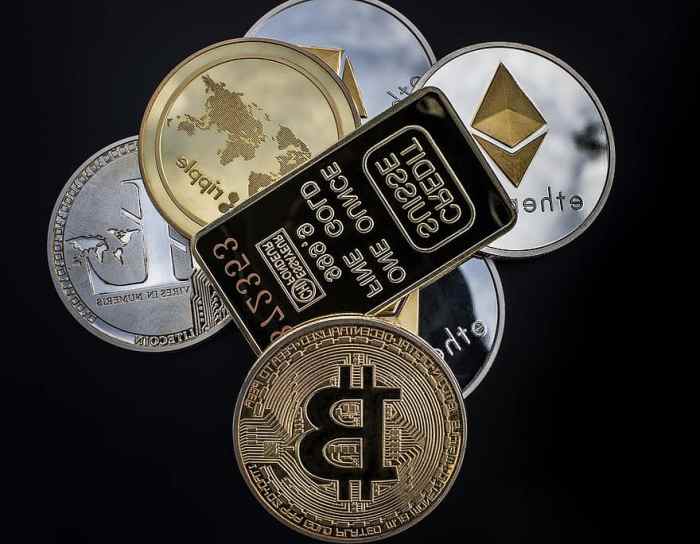
Source: pikist.com
Crypto arbitrage is a strategy that allows traders to profit from the price differences between various cryptocurrency exchanges and markets. There are a variety of methods that traders use to capitalize on these discrepancies. Understanding these methods is essential for anyone looking to navigate the volatile world of cryptocurrencies effectively.
Triangular Arbitrage
Triangular arbitrage is a popular method used by traders to exploit price differences within a single exchange. This method involves trading between three different cryptocurrencies, taking advantage of the discrepancies in their exchange rates. The process consists of three trades where a trader converts one cryptocurrency to another, then to a third, and finally back to the original currency. For example, let’s say you have Bitcoin (BTC), Ethereum (ETH), and Litecoin (LTC).
If the exchange rates are as follows:
- 1 BTC = 20 ETH
- 1 ETH = 3 LTC
- 1 LTC = 0.05 BTC
A trader could execute the following steps:
- Trade 1 BTC for 20 ETH.
- Trade 20 ETH for 60 LTC (20 ETH
- 3 LTC/ETH).
- Trade 60 LTC back to BTC, receiving 3 BTC (60 LTC
- 0.05 BTC/LTC).
In this scenario, the trader has effectively increased their initial investment in BTC through a series of conversions, capitalizing on the differences in exchange rates.
Statistical Arbitrage
Statistical arbitrage is another sophisticated approach that relies on mathematical models and statistical techniques to identify mispricings in the cryptocurrency market. This method typically utilizes historical data to predict future price movements and exploit short-term opportunities. Traders employing this strategy often use algorithms and trading bots to execute trades rapidly.The statistical arbitrage process involves several key steps:
1. Data Collection
Gather historical price data for different cryptocurrencies across various exchanges.
2. Model Development
Create statistical models to identify correlations and price relationships between selected cryptocurrencies.
3. Signal Generation
Use the models to generate buy or sell signals based on identified discrepancies.
4. Execution
Automatically execute trades based on the generated signals, often leveraging high-frequency trading techniques.For instance, if a statistical model indicates that Bitcoin and Ethereum generally move together but diverge due to market conditions, a trader could short one while going long on the other, expecting their prices to realign.
Arbitrage Between Different Cryptocurrency Exchanges
Conducting arbitrage between different exchanges involves buying a cryptocurrency on one exchange where the price is lower and selling it on another exchange where the price is higher. This method requires quick execution and often relies on tools that monitor price discrepancies in real time.To illustrate, consider two exchanges: Exchange A and Exchange B. Assume the following price points:
- Bitcoin on Exchange A is priced at $40,000.
- Bitcoin on Exchange B is priced at $41,500.
A trader can capitalize on this by:
- Buying 1 BTC on Exchange A for $40,000.
- Immediately selling the same BTC on Exchange B for $41,500.
- The trader makes a profit of $1,500 minus any transaction fees.
To maximize profits, traders often use APIs to automate trading across multiple exchanges, ensuring that they can react swiftly to price changes. Using this method effectively can lead to substantial profits, especially in a market as dynamic as cryptocurrencies.
Tools and Platforms for Arbitrage: Crypto Arbitrage: Can You Still Make Money?

Source: investitwisely.com
Crypto arbitrage trading requires effective tools and platforms to capitalize on market inefficiencies. The fast-paced nature of cryptocurrency markets makes it imperative to utilize reliable methods for tracking price discrepancies across different exchanges. With the right tools, traders can maximize their profit potential while minimizing risks associated with arbitrage.
Popular Trading Platforms for Crypto Arbitrage
Several trading platforms are renowned for their capabilities to support crypto arbitrage opportunities. The following platforms are frequently used by traders for their high liquidity and competitive prices:
- Binance: One of the largest exchanges globally, Binance offers numerous trading pairs, making it ideal for finding arbitrage opportunities.
- Coinbase Pro: Known for its user-friendly interface and security features, Coinbase Pro provides reliable access to various cryptocurrencies.
- Kraken: This platform is celebrated for its robust security and wide range of fiat and crypto pairs, which are essential for effective arbitrage.
- Bitfinex: With advanced trading options and high liquidity, Bitfinex is a popular choice for experienced traders seeking arbitrage strategies.
- KuCoin: KuCoin offers a multitude of altcoins and trading features that can provide additional arbitrage opportunities for traders.
Arbitrage Bots and Automated Trading Tools
Utilizing arbitrage bots and automated trading tools can significantly enhance the efficiency of executing trades. These tools automate the process of buying and selling assets across different exchanges, ensuring timely transactions that are crucial for capitalizing on fleeting opportunities.
“Automation in trading allows for rapid execution of strategies that manual traders might miss due to lag or delay in market response.”
The benefits of using arbitrage bots include:
- Efficiency: Bots can simultaneously monitor multiple exchanges and execute trades faster than a human could.
- 24/7 Operation: Bots operate continuously, allowing traders to take advantage of price discrepancies at any time, including after hours.
- Reduced Emotional Trading: Automated trades minimize emotional decision-making, which can often lead to mistakes.
Essential Tools for Monitoring Price Differences
Monitoring price differences across exchanges is paramount for successful crypto arbitrage. A selection of essential tools that can aid in this endeavor includes:
- CoinMarketCap: A widely used platform that offers real-time data on cryptocurrency prices across various exchanges.
- CryptoCompare: This tool provides comparison features that allow users to see price differences easily between multiple exchanges.
- Arbitrage calculators: These calculators help traders quickly assess potential profits and costs associated with executing arbitrage trades.
- TradingView: A comprehensive charting tool that offers real-time price alerts and extensive technical analysis features.
- CoinGecko: Similar to CoinMarketCap, CoinGecko provides in-depth information on price movements and market capitalization across exchanges.
These tools are indispensable for traders looking to successfully identify and execute arbitrage trades across the ever-evolving cryptocurrency landscape.
Risks Involved in Crypto Arbitrage
Engaging in crypto arbitrage can be an enticing venture for traders seeking to capitalize on price discrepancies across different exchanges. However, it is essential to understand that this strategy is not without its risks, which can significantly affect profitability and overall trading success. Below, we will delve into the various risks associated with crypto arbitrage, including market volatility, regulatory uncertainties, and security concerns when transferring funds.
Market Volatility and Timing Issues
The cryptocurrency market is known for its extreme volatility, which poses a substantial risk for arbitrage traders. Price discrepancies between exchanges can vanish in seconds due to rapid market movements, making timing crucial for successful trades. Traders often face the challenge of executing transactions promptly to lock in profits. For instance, if a trader identifies a price difference of $100 between Exchange A and Exchange B, the window to capitalize on this arbitrage opportunity may be limited.
Within moments, the prices may equalize, leading to potential losses rather than gains. This volatility can force traders to act quickly, which may lead to hasty decisions and increased exposure to risk.Moreover, liquidity plays a critical role; if there isn’t enough trading volume to support the desired trades, the market may not move as anticipated when the trader attempts to sell.
To illustrate the potential impact of timing, consider a scenario where a trader places an order to buy on one exchange but faces delays due to network congestion or other operational issues. This could lead to missed opportunities and slippage, further eroding profits.
Regulatory Risks
Regulatory environments surrounding cryptocurrencies vary significantly across jurisdictions, introducing another layer of risk for arbitrage traders. Some countries have stringent regulations that may limit or even prohibit certain trading activities. For example, a trader operating in a country with strict anti-money laundering (AML) and know your customer (KYC) laws may find themselves facing legal challenges if they inadvertently violate these rules.
Additionally, the lack of consistent regulatory frameworks can lead to sudden changes that impact trading strategies.Traders must stay informed about the legal landscape in their operating jurisdictions and any exchanges they utilize. Ignorance of local regulations can result in fines, account freezes, or even criminal charges. It’s crucial for traders to conduct thorough research and possibly seek legal counsel to navigate the complexities of regulatory compliance.
Security Risks in Fund Transfers, Crypto Arbitrage: Can You Still Make Money?
Transferring funds between exchanges is an integral part of the arbitrage process, but it carries inherent security risks. Each transfer exposes traders to various threats, including hacking attempts, phishing schemes, and exchange vulnerabilities. The decentralized nature of cryptocurrencies means that once a transaction is executed, it is irreversible. If a trader mistakenly sends funds to the wrong address or falls victim to a scam, there is little to no recourse for recovering lost assets.
Additionally, some exchanges have experienced security breaches in the past, resulting in significant losses for users.To mitigate these risks, traders should adopt best practices for securing their funds. This includes enabling two-factor authentication (2FA) on exchange accounts, using hardware wallets for long-term storage, and being cautious of unsolicited communications requesting sensitive information. Always verify the authenticity of any platform before transferring funds and consider spreading assets across multiple exchanges to limit exposure.
In the world of crypto arbitrage, understanding and managing risks is just as crucial as identifying profitable opportunities.
Profitability of Crypto Arbitrage

Source: middleeastmonitor.com
Crypto arbitrage presents an exciting opportunity for traders to capitalize on price discrepancies across different exchanges. However, understanding the profitability of such ventures requires a nuanced analysis of various factors that influence potential earnings. As the crypto market evolves, the ability to navigate these factors effectively can significantly enhance the likelihood of realizing profitable trades.Several key elements come into play when evaluating the profitability of crypto arbitrage trading.
These factors include market volatility, liquidity of the traded assets, the efficiency of the exchanges used, and the speed at which transactions can be executed. Each of these components plays a crucial role in determining whether an arbitrage opportunity is worth pursuing or not.
Factors Influencing Profitability
When assessing the factors that influence the profitability of crypto arbitrage, the following points are particularly important:
- Market Volatility: Higher volatility can create more significant price discrepancies, but it also increases the risk of price movements during execution.
- Liquidity: High liquidity allows for quicker trades and minimizes the impact of slippage, which can erode potential profits.
- Execution Speed: Fast trade execution is essential, as arbitrage opportunities often exist for a brief period.
- Exchange Reliability: Using reputable exchanges can minimize risks related to withdrawal times and transaction failures.
Impact of Transaction Fees
Transaction fees can significantly affect the profitability of crypto arbitrage. Each trade typically incurs fees that may include maker/taker fees, withdrawal fees, and network fees, depending on the exchange and the method of transaction. These fees can cut into the margins, transforming what seems like a profitable trade into a loss.A detailed example illustrates this point: Suppose an arbitrage opportunity presents a price difference of $100 between two exchanges.
If the combined transaction fees amount to $30, the net profit from this arbitrage trade would only be $70. Thus, understanding the fee structure of each exchange is critical for gauging actual profitability.
Historical Profit Margins from Different Strategies
Examining historical profit margins from various arbitrage strategies reveals that margin levels can vary widely. Some common strategies include simple arbitrage, triangular arbitrage, and statistical arbitrage. Each has its own historical performance metrics, influenced by market conditions and the trader’s approach.The following table summarizes typical profit margins associated with different arbitrage strategies based on past data:
| Arbitrage Strategy | Typical Profit Margin | Execution Speed Required |
|---|---|---|
| Simple Arbitrage | 0.5% – 2% | Immediate |
| Triangular Arbitrage | 0.5% – 1.5% | Very Fast |
| Statistical Arbitrage | Varies, often lower than 1% | Variable |
These profit margins can fluctuate with market dynamics, showcasing the importance of staying informed and adapting strategies accordingly. By recognizing the interplay between transaction fees, market conditions, and trading execution, traders can make more informed decisions to optimize their profitability in crypto arbitrage.
Real-World Case Studies
The world of crypto arbitrage is filled with both success stories and cautionary tales. By examining real-world case studies, we can gain valuable insights into what makes a successful trade and what pitfalls to avoid. Through these examples, traders can learn about the dynamic nature of the market and how to navigate it effectively.
Successful Crypto Arbitrage Trades
One particularly notable success in crypto arbitrage occurred in early 2021 when an experienced trader identified a significant price discrepancy between two exchanges: Binance and Coinbase. The price of Bitcoin was $33,000 on Binance while it was $34,000 on Coinbase. The trader quickly executed the following strategy:
- Purchased 1 Bitcoin on Binance at $33,000.
- Simultaneously sold the same Bitcoin on Coinbase at $34,000.
- After accounting for transaction fees and transfer costs, the trader realized a profit of approximately $800.
This case exemplifies the power of quick decision-making and efficient execution in capturing arbitrage opportunities.
Lessons from Failed Arbitrage Attempts
Not all arbitrage attempts lead to success. A notable failure occurred when a trader attempted to exploit a temporary price difference of 5% between two lesser-known exchanges. The plan was to buy low on one platform and sell high on another. However, the trader faced several challenges:
- Slow transaction times on the second exchange led to missed profit opportunities as the price equalized.
- Increased volatility caused by sudden market shifts resulted in losses instead of gains.
- High transaction fees on the lesser-known platforms diminished any potential profit.
This case underscores the importance of selecting reliable and fast exchanges, as well as understanding market dynamics.
Market Trends Affecting Arbitrage Opportunities
Market trends significantly influence the frequency and profitability of arbitrage opportunities. For instance, during the 2021 crypto bull run, many exchanges experienced high trading volumes, which often led to more pronounced price discrepancies. Conversely, during bear markets, the price differences tend to narrow as liquidity dries up. Key trends to consider include:
- The rise of decentralized exchanges (DEXs) has increased the number of arbitrage opportunities as prices can vary widely across different platforms.
- The emergence of automated trading bots has introduced more competition in spotting and executing arbitrage trades, leading to quicker price equalization.
- Regulatory changes in different regions can create temporary disparities in cryptocurrency pricing across exchanges.
Understanding these trends is crucial for traders looking to capitalize on crypto arbitrage opportunities effectively.
Future of Crypto Arbitrage
As the cryptocurrency landscape continues to evolve, so do the strategies and methodologies surrounding crypto arbitrage. Emerging trends, regulatory shifts, and technological advancements are poised to shape how traders and investors approach arbitrage in the digital asset space. Understanding these factors is crucial for anyone looking to remain competitive in this fast-paced environment.
Emerging Trends Impacting Crypto Arbitrage
Several trends are beginning to take shape within the crypto arbitrage sector that traders should monitor closely. These trends can either provide new opportunities or present additional challenges to profitability.
- Increased Market Efficiency: With the rise of algorithmic trading and high-frequency traders, the markets are becoming more efficient. This may reduce the number of arbitrage opportunities available, as price discrepancies are corrected more swiftly.
- Decentralized Exchanges (DEXs): The growth of decentralized exchanges is creating new avenues for arbitrage. These platforms often have different pricing structures compared to centralized exchanges, offering potential profit opportunities for savvy traders.
- Globalization of Crypto Markets: As cryptocurrencies become more widely accepted across borders, the disparities in prices based on regional demand may widen, presenting fresh arbitrage opportunities in different geographic markets.
Potential Regulatory Changes
As governments around the world begin to establish clearer regulations around cryptocurrency, these changes will likely impact arbitrage strategies significantly.
- Increased Compliance Requirements: Stricter regulations could lead to enhanced compliance burdens for traders, particularly those operating in multiple jurisdictions. This may result in higher operational costs and the need for sophisticated legal frameworks.
- Tax Implications: New tax regulations may affect how profits from arbitrage are calculated and reported. Understanding the tax landscape will be essential for maximizing net returns.
- Licensing and Operational Restrictions: Some regions may impose licensing requirements for crypto trading platforms, potentially limiting access to certain exchanges and thus impacting arbitrage strategies.
Technological Advancements Enhancing Arbitrage Trading
Technological innovation plays a critical role in the future of crypto arbitrage. The following advancements are likely to enhance trading strategies and execution.
- Artificial Intelligence (AI) and Machine Learning: These technologies can analyze vast amounts of data in real time, helping traders identify arbitrage opportunities more quickly and accurately than ever before.
- Blockchain Technology Improvements: Enhancements in blockchain scalability and transaction speed can facilitate faster trading and settlement times, making it easier to capitalize on price differences across exchanges.
- Advanced Trading Bots: The development of more sophisticated trading algorithms and bots can automate the arbitrage process, allowing traders to exploit opportunities without constant monitoring.
Last Word
In summary, while crypto arbitrage presents numerous opportunities for profit, traders must navigate a landscape filled with volatility, regulatory considerations, and technological advancements. The case studies we’ve examined highlight both successful strategies and cautionary tales, illustrating the importance of thorough research and preparation. As the market evolves, so too will the tactics employed by traders, making it essential to stay informed and adaptable in the pursuit of arbitrage profits.
Detailed FAQs
What is crypto arbitrage?
Crypto arbitrage involves buying a cryptocurrency on one exchange where the price is lower and selling it on another where the price is higher, taking advantage of price discrepancies.
Is crypto arbitrage still profitable?
Yes, it can still be profitable, but success depends on market conditions, transaction fees, and timing.
What tools can help with crypto arbitrage?
Arbitrage bots and tools that monitor price differences across exchanges are essential for effective trading.
What risks are associated with crypto arbitrage?
Risks include market volatility, timing issues, regulatory challenges, and security concerns when transferring funds.
How do transaction fees affect profits?
High transaction fees can significantly reduce the profitability of arbitrage trades, making it crucial to account for them in calculations.