Comparing Centralized vs Decentralized Exchanges Insights
Comparing Centralized vs Decentralized Exchanges sets the stage for an intriguing exploration of two distinct trading landscapes in the cryptocurrency world. Centralized exchanges (CEXs) offer a user-friendly experience with streamlined processes, while decentralized exchanges (DEXs) prioritize user autonomy and security. As we dive into the operational structures, benefits, and key differences between these platforms, it becomes clear that each has its unique advantages and challenges, shaping the trading experience for users worldwide.
This discussion will take you through the inner workings of both exchange types, highlighting how they cater to different trading preferences and requirements. From liquidity considerations to regulatory challenges, understanding the nuances can empower traders to make informed decisions, whether they seek the convenience of CEXs or the freedom offered by DEXs.
Overview of Centralized Exchanges
Centralized exchanges (CEXs) serve as platforms where traders can buy, sell, and exchange cryptocurrencies. These platforms operate under a centralized authority, providing users with a straightforward interface and a variety of services. The centralized structure allows for a more streamlined and controlled trading environment, appealing to both novice and experienced traders alike.The operational structure of centralized exchanges is designed for efficiency and user-friendliness.
At the core, CEXs act as intermediaries between buyers and sellers, managing transactions and holding users’ funds in custodial wallets. This setup enables faster transaction speeds and greater liquidity due to a consolidated order book.
Benefits of Using Centralized Exchanges for Trading
Centralized exchanges offer numerous advantages that make them an appealing choice for many traders. Below are some key benefits that highlight their significance in the cryptocurrency marketplace:
- User-Friendly Interfaces: CEXs typically feature intuitive designs that make it easy for users to navigate, even if they are unfamiliar with trading.
- High Liquidity: The centralized nature of these exchanges facilitates high trading volumes, ensuring that users can execute trades without significant price slippage.
- Advanced Trading Features: Many centralized exchanges provide a range of trading tools, including limit orders, stop-loss options, and margin trading, catering to diverse trading strategies.
- Customer Support: Centralized exchanges often have dedicated customer support teams, providing assistance to users for troubleshooting and inquiries, which enhances the overall user experience.
- Security Measures: Although debates about security exist, many CEXs implement robust security protocols, including two-factor authentication, cold storage of funds, and regular audits to protect user assets.
Common Features Found in Centralized Exchanges
Centralized exchanges incorporate a variety of features that enhance functionality and improve user engagement. Understanding these common features is vital for making informed trading decisions. Key features include:
- Order Types: CEXs support various order types, such as market orders, limit orders, and stop orders, allowing traders to execute trades according to their preferences.
- Trading Pairs: Most centralized exchanges offer a wide selection of trading pairs, enabling users to swap one cryptocurrency for another easily.
- Mobile Applications: Many exchanges provide mobile apps that allow users to trade on-the-go, making cryptocurrency trading more accessible.
- Staking and Earning Programs: Some exchanges offer staking features where users can earn rewards on their holdings, incentivizing long-term investment.
- Regulatory Compliance: Many centralized exchanges adhere to local regulations, enhancing their credibility and safety, which can attract more users seeking assurance while trading.
“Centralized exchanges provide a controlled environment that balances user-friendly access with a variety of trading features.”
Overview of Decentralized Exchanges
Source: thenewscrypto.com
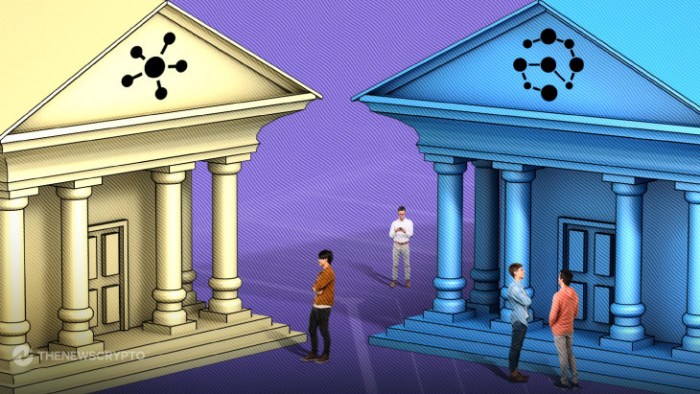
Decentralized exchanges (DEXs) represent a significant shift in how cryptocurrency trading occurs. Unlike their centralized counterparts, DEXs allow users to trade directly with one another through an automated process, enabling a more direct and often more secure method of exchanging digital assets.The core functioning of decentralized exchanges relies on blockchain technology to facilitate peer-to-peer trading. In contrast to centralized exchanges, which act as intermediaries by holding users’ funds and executing trades on their behalf, DEXs utilize smart contracts to automate transactions.
This mechanism means that users maintain control of their funds and private keys, reducing the risk associated with hacks or mismanagement often seen in centralized platforms.
Advantages of Trading on Decentralized Exchanges
There are several notable advantages associated with trading on decentralized exchanges. These benefits are crucial for users looking for greater autonomy and security in their trading activities.
- Enhanced Security: Since DEXs do not hold user funds, the risk of hacks is significantly reduced, providing a more secure trading environment.
- Greater Privacy: Users can trade without the need to provide personal information, thus maintaining their privacy and anonymity.
- Access to a Wider Range of Tokens: DEXs often list a broader selection of tokens, including new and lesser-known cryptocurrencies, which may not be available on centralized platforms.
- Reduced Trading Fees: Without intermediaries, transaction fees on DEXs can be lower, allowing users to retain more of their profits.
In the realm of decentralized exchanges, several platforms have emerged as leaders, showcasing the functionality and appeal of DEXs. Some popular examples include:
- Uniswap: A leading DEX on the Ethereum blockchain known for its automated liquidity provision model.
- Curve Finance: Specializes in stablecoin trading with low slippage and high efficiency.
- Balancer: Allows users to create customized liquidity pools, offering flexibility in trading strategies.
- SushiSwap: Originally a fork of Uniswap, it has evolved to include additional features such as yield farming and staking.
The rise of decentralized exchanges marks a pivotal moment in the cryptocurrency landscape, offering users an alternative to traditional trading mechanisms. As the technology continues to evolve, DEXs are likely to play an increasingly prominent role in how individuals engage with digital assets, promoting a more open and accessible trading environment.
Key Differences Between Centralized and Decentralized Exchanges
The landscape of cryptocurrency trading is largely shaped by two types of exchanges: centralized and decentralized. Understanding the key differences between these platforms can significantly enhance a user’s trading experience, influence their security choices, and affect transaction efficiency. Here’s a deep dive into how centralized and decentralized exchanges stack up against each other, focusing on user experience, security measures, and transaction dynamics.
User Experience Comparison
The user experience on centralized exchanges (CEX) tends to be more streamlined and user-friendly, appealing to beginners and experienced traders alike. These platforms usually offer advanced trading features, customer support, and a variety of trading pairs, making it easier for users to navigate the trading process.In contrast, decentralized exchanges (DEX) can be less intuitive due to their complex interfaces and the need for users to manage their own wallets and private keys.
However, they provide more control over one’s assets and eliminate the need for trust in a central authority.
Security Measures Unique to Each Exchange Type, Comparing Centralized vs Decentralized Exchanges
Centralized exchanges implement a variety of security measures to protect user funds, though they are still susceptible to hacks and data breaches. Common practices include:
- Cold Storage: A significant portion of funds is stored offline to reduce the risk of hacking.
- Two-Factor Authentication (2FA): Users are encouraged to enable 2FA for an additional layer of security.
- Regular Security Audits: CEXs often engage third-party firms to conduct security assessments.
On the other hand, decentralized exchanges prioritize user autonomy and security by eliminating the need for third-party custodianship. This approach brings unique security measures, such as:
- Self-Custody: Users retain full control of their private keys and funds, reducing risk from centralized hacks.
- Smart Contract Audits: DEX platforms often undergo audits to ensure the integrity of their smart contracts.
- Transparency: Operations are conducted on the blockchain, allowing users to verify transactions independently.
Transaction Speeds and Fees Comparison
Transaction speeds and fees can significantly influence the choice between centralized and decentralized exchanges. The following table compares these attributes of both exchange types:
| Feature | Centralized Exchanges | Decentralized Exchanges |
|---|---|---|
| Transaction Speed | Typically faster, with transactions often settled within seconds. | Slower due to blockchain confirmation times, which can vary based on network congestion. |
| Transaction Fees | Fees can range from 0.1% to 0.5% per trade, depending on the platform and trading volume. | Fees vary based on gas prices and network activity; can sometimes exceed CEX fees during peak times. |
“Choosing between centralized and decentralized exchanges hinges on personal preferences regarding control, security, and trading experience.”
User Control and Ownership
Source: australiaunwrapped.com
In the world of cryptocurrency trading, the level of control users have over their funds is a crucial factor that differentiates centralized exchanges (CEX) from decentralized exchanges (DEX). Understanding the nuances of user control and ownership can significantly influence traders’ choices, impacting how they interact with their assets and manage risks.When it comes to centralized exchanges, users generally relinquish control of their funds to the exchange itself.
This means that all assets are held in the exchange’s custody, requiring users to trust the platform to manage their funds securely. Conversely, decentralized exchanges allow users to maintain full ownership of their funds, as transactions occur directly between users’ wallets without the need for an intermediary. This fundamental difference in custody creates varying implications for security, transparency, and user experience.
Fund Ownership and Custody Implications
The ownership of funds in centralized versus decentralized exchanges leads to distinct scenarios that cater to different user preferences. Here are some key considerations regarding fund ownership and custody:
- Centralized Exchanges: Users must create accounts and store their cryptocurrency with the exchange, leading to potential risks such as hacks and loss of funds during unforeseen incidents. Trust in the exchange’s security measures becomes paramount, and users may experience delays in withdrawals due to regulatory scrutiny or exchanges’ internal policies. This model appeals to those who prioritize user-friendly interfaces and a broad range of trading features.
For example, a novice trader may prefer a centralized exchange like Binance for its easy onboarding and customer support.
- Decentralized Exchanges: Users retain control of their private keys and funds, meaning they are not reliant on a third party for custody. This self-custody approach enhances security, as users are less vulnerable to hacks affecting a centralized platform. Users can also engage in peer-to-peer transactions without restrictions. However, the complexity of using DEXs may deter less experienced traders. For instance, an experienced trader who values anonymity and security might prefer using Uniswap to trade directly from their wallet without relying on a centralized service.
“In the realm of cryptocurrency, control equates to security; understanding the implications of custody can mean the difference between safeguarding your assets and risking them.”
The decision between utilizing a centralized or decentralized exchange often hinges on an individual’s risk tolerance and trading objectives. While centralized platforms offer ease of use, they may compromise on autonomy. In contrast, decentralized exchanges provide unparalleled control over funds, which may come with a steeper learning curve. Ultimately, users must assess their own needs and preferences when choosing the appropriate exchange for their trading activities.
Regulatory Compliance and Risk: Comparing Centralized Vs Decentralized Exchanges
Navigating the regulatory landscape is crucial for both centralized and decentralized exchanges as they operate under different frameworks and face unique challenges. Understanding these aspects can help users make informed trading decisions while recognizing the associated risks with each model.
Regulatory Challenges Faced by Centralized Exchanges
Centralized exchanges (CEXs) are often subject to strict regulatory oversight, which can vary significantly by jurisdiction. These regulations are primarily aimed at preventing money laundering, protecting consumer rights, and ensuring the integrity of the financial system. Key challenges include:
- Licensing Requirements: Many countries require exchanges to obtain specific licenses to operate legally, which can be a complex and costly process.
- Know Your Customer (KYC) Compliance: Centralized exchanges must implement KYC procedures to verify the identities of their users, which can lead to privacy concerns.
- Reporting Obligations: CEXs are often required to report suspicious transactions to regulatory authorities, adding to their operational burdens.
- Changing Regulations: The regulatory landscape is constantly evolving, making it challenging for exchanges to stay compliant and adapt to new rules.
The strict regulatory environment can create barriers to entry for new exchanges and limit innovation. Moreover, as regulations tighten, some exchanges may face increased scrutiny, which can impact their reputation and operational viability.
Compliance Landscape for Decentralized Exchanges
Decentralized exchanges (DEXs) operate differently, often utilizing smart contracts to facilitate trades without a central authority. As a result, they face a unique compliance landscape characterized by:
- Lack of Clear Regulations: Many jurisdictions have yet to establish specific regulations governing DEXs, leading to uncertainty about compliance obligations.
- Anonymity and Privacy: DEXs can allow users to trade without revealing their identities, complicating compliance with anti-money laundering (AML) and KYC regulations.
- Decentralized Governance: The governance structure of DEXs can be more complex, as decisions are often made by the community versus a centralized entity, leading to challenges in enforcing compliance.
While this decentralization can foster innovation, it also raises concerns regarding user protection and the ability to address illicit activities, as regulatory authorities may struggle to enforce rules effectively.
Risks Associated with Trading on Both Types of Platforms
Trading on both centralized and decentralized exchanges comes with inherent risks that users must be aware of to protect their investments. These risks include:
- Counterparty Risk: CEXs hold users’ funds and could face solvency issues or hacks, leading to potential loss of assets.
- Smart Contract Vulnerabilities: DEXs rely on smart contracts, which can be exploited if they contain bugs or weaknesses, risking users’ funds.
- Market Manipulation: Both types of exchanges can be susceptible to market manipulation practices, such as wash trading and pump-and-dump schemes.
- Regulatory Risks: The evolving nature of regulations can lead to sudden changes in the operational status of exchanges, affecting traders who may not have adequate warning.
Understanding these risks is essential for traders when choosing to engage with either centralized or decentralized exchanges as it can significantly impact their trading experience and overall market safety.
Market Liquidity Considerations
Market liquidity is a critical factor influencing trading efficiency and strategy on both centralized and decentralized exchanges. It refers to how easily assets can be bought or sold in the market without causing significant price changes. Understanding the differences in liquidity between these two types of exchanges helps traders make informed decisions and optimize their trading strategies.Centralized exchanges generally exhibit higher liquidity levels when compared to decentralized exchanges.
This is largely due to the centralized control and sophisticated market-making mechanisms that these platforms employ. High liquidity on centralized exchanges leads to tighter bid-ask spreads, allowing traders to execute large orders with minimal price impact. Conversely, decentralized exchanges often face challenges with liquidity, which can lead to wider spreads and slippage during trades. The effects of liquidity levels on trading strategies can be profound; traders on centralized exchanges may engage in high-frequency trading or larger volume trades without significant concern for market impact, while those on decentralized exchanges might need to be more cautious with order sizes and timing.
Factors Influencing Liquidity
Various elements play a role in determining the liquidity of centralized and decentralized exchanges. Understanding these factors is crucial for traders looking to optimize their trades based on market conditions.
- Volume of Trades: Higher trading volumes typically correlate with increased liquidity, as more participants are actively buying and selling assets.
- Market Maker Participation: Centralized exchanges often have market makers that provide liquidity by placing limit orders, while decentralized exchanges may rely on user-initiated transactions.
- Number of Trading Pairs: A broader range of trading pairs can enhance overall liquidity on an exchange by attracting diverse trading strategies and participants.
- User Incentives: Programs like liquidity mining or yield farming can attract users to provide liquidity on decentralized exchanges, positively influencing liquidity levels.
- Order Book Depth: A deeper order book indicates more available buy and sell orders, which can facilitate larger trades without significant price fluctuations.
- Regulatory Environment: Centralized exchanges often operate within regulated frameworks, which can instill confidence and increase participation, leading to improved liquidity.
- Market Sentiment: Overall market conditions and investor sentiment can dramatically impact liquidity, with bullish trends generally attracting more traders.
Future Trends and Developments

Source: defilust.com
As the digital finance landscape evolves, both centralized and decentralized exchanges are experiencing significant transformations. These changes are driven by technological advancements, user preferences, and the broader regulatory environment. Understanding these future trends is essential for traders and investors who want to navigate the ever-changing world of cryptocurrency.Emerging technologies are playing a crucial role in shaping the future of trading platforms.
Innovations such as artificial intelligence, machine learning, and blockchain scalability are expected to enhance the functionality and user experience of both centralized and decentralized exchanges. These technologies can streamline trading processes, improve security, and offer personalized trading strategies.
Predictions for Centralized and Decentralized Exchanges
The future of both centralized and decentralized exchanges seems to be headed towards greater integration, with predictions indicating that the lines between the two may blur. Centralized exchanges are likely to adopt decentralized technologies to improve security and transparency, while decentralized exchanges may integrate user-friendly features traditionally found in centralized platforms. This integration could lead to hybrid models that combine the best aspects of both worlds.Key predictions include:
- Enhanced security features through the use of advanced cryptographic techniques that protect user funds and data.
- Increased compliance with global regulatory standards, ensuring a safer trading environment for users.
- Widespread adoption of decentralized finance (DeFi) protocols, enabling users to trade directly from their wallets without the need for intermediaries.
- Integration of AI-driven trading algorithms that provide users with real-time insights and automated trading options.
Impact of Emerging Technologies
Emerging technologies are set to redefine how exchanges operate and how users interact with them. For instance, advancements in blockchain technology are crucial for improving transaction speeds and lowering fees. Furthermore, technologies like Layer 2 solutions can significantly enhance the scalability of decentralized exchanges, making them more competitive with their centralized counterparts.Blockchain interoperability is another critical area of development, allowing different networks to communicate and transact seamlessly.
This could lead to a more unified trading experience across various platforms, encouraging user migration to decentralized solutions.
User Trends and Preferences
User behavior is continually evolving, influenced by factors such as convenience, security, and control. The demand for greater control over personal assets has led many traders to favor decentralized exchanges, as they offer custody of funds directly to users without third-party involvement. Another significant trend is the increasing importance of user experience. Traders are gravitating towards platforms that provide intuitive interfaces, mobile accessibility, and comprehensive customer support.
As a result, both centralized and decentralized exchanges are investing in user-friendly designs and functionalities to attract and retain users.Factors influencing user preferences include:
- Security: Users are prioritizing platforms with robust security measures, including two-factor authentication and cold storage solutions.
- Fees: Competitive trading fees are increasingly influencing users’ choice of exchange, with many seeking platforms that offer lower costs.
- Community Engagement: Decentralized exchanges are gaining popularity due to active communities that foster transparency and innovation.
Concluding Remarks
In summary, the examination of Comparing Centralized vs Decentralized Exchanges reveals a landscape marked by innovation and choice. Traders must weigh the pros and cons of each exchange type, considering factors like security, control over funds, and regulatory compliance. As we look ahead, both centralized and decentralized platforms will continue to evolve, influenced by emerging technologies and user trends, ultimately shaping the future of cryptocurrency trading.
Common Queries
What is the main advantage of centralized exchanges?
Centralized exchanges typically offer higher liquidity, faster transaction speeds, and user-friendly interfaces, making them ideal for beginners.
How do decentralized exchanges ensure security?
Decentralized exchanges utilize blockchain technology to eliminate the need for a central authority, enhancing security by allowing users to retain control of their private keys.
Can I trade cryptocurrencies anonymously on decentralized exchanges?
Yes, decentralized exchanges often allow users to trade without the need for personal identification, providing a higher level of privacy.
Are transaction fees lower on decentralized exchanges?
Transaction fees can vary; however, decentralized exchanges often have lower fees than centralized platforms due to their lack of intermediaries.
Which exchange type is better for experienced traders?
Experienced traders may prefer decentralized exchanges for their control and flexibility, while centralized exchanges may still be favored for their speed and liquidity.