Blockchain Interoperability Why It Matters
Blockchain Interoperability: Why It Matters is a crucial topic in today’s digital landscape, where the potential of blockchain technology remains largely untapped due to fragmented systems. As various blockchain networks operate in silos, they miss out on the collaborative advantages that interoperability can offer. Understanding this concept opens up a world of possibilities, allowing for seamless communication and transaction capabilities across different platforms.
The significance of blockchain interoperability lies in its ability to bridge gaps between isolated networks, leading to enhanced efficiency and innovation. With the right technical mechanisms in place, industries such as finance, healthcare, and supply chain can harness the full power of blockchain technology, paving the way for transformative applications that improve connectivity and reduce friction in operations.
Introduction to Blockchain Interoperability
Blockchain interoperability refers to the ability of different blockchain networks to communicate and share information seamlessly. This capability is increasingly vital in the digital landscape, where numerous independent blockchain systems operate in silos, creating barriers to data exchange and collaboration. As the adoption of blockchain technology grows across various sectors, fostering interoperability becomes crucial for enhancing efficiency, broadening access, and enabling innovative applications.Currently, the blockchain ecosystem consists of a multitude of platforms, each with its unique protocols, consensus mechanisms, and governance models.
This fragmentation leads to a host of challenges, primarily the inability of users and organizations to transfer assets or share data across different blockchains without relying on centralized exchanges or third-party services. These siloed systems limit the effectiveness of blockchain technology, undermining its potential to revolutionize industries like finance, supply chain, and healthcare.Achieving interoperability among blockchain networks can unlock numerous benefits, making it easier to harness the full potential of distributed ledger technology.
By enabling different blockchains to work together, organizations can facilitate cross-chain transactions, improve scalability, and enhance security. Additionally, a more interconnected blockchain ecosystem can foster collaboration and innovation, paving the way for new business models and applications that leverage the strengths of multiple networks.
Current State of Blockchain Technology
The current state of blockchain technology is characterized by rapid growth, with an expanding number of platforms and use cases emerging across various industries. However, this rapid expansion has led to a fragmented landscape, where interoperability issues pose significant challenges. The lack of common standards and protocols among different blockchains often results in inefficiencies and limits the broader adoption of the technology.Several key factors contribute to the challenges of siloed systems:
- Incompatibility of Protocols: Different blockchains operate on varying protocols and consensus mechanisms, making it difficult for them to interact seamlessly.
- Lack of Standardization: The absence of universal standards complicates integration efforts, hindering the development of cross-chain solutions.
- Security Concerns: Bridging disparate networks may expose vulnerabilities, increasing the risk of attacks and fraud.
- High Transaction Costs: Interfacing between blockchains often incurs additional fees, making transactions costly and less attractive for users.
The significance of addressing these challenges cannot be overstated, as the future of blockchain technology relies heavily on its ability to operate as a cohesive ecosystem rather than a collection of isolated networks. By resolving interoperability issues, the value proposition of blockchain technology increases, allowing for more robust and versatile applications across sectors.
“Interoperability is not just a nice-to-have; it is essential for blockchain technology to realize its full potential.”
The progression towards interoperability can be illustrated through various real-life case studies, such as the increasing collaboration between blockchain platforms like Polkadot and Cosmos. These projects aim to create frameworks that facilitate communication between blockchains, demonstrating the feasibility and importance of interconnected systems in the blockchain landscape. As these efforts continue to develop, they pave the way for a more unified and efficient digital future.
Technical Mechanisms of Interoperability

Source: publicdomainpictures.net
Blockchain interoperability is essential for the seamless exchange of information and value across different blockchain networks. Various technical mechanisms have emerged to facilitate this interoperability, ensuring that diverse protocols can communicate effectively without compromising security or functionality.Cross-chain communication protocols are one of the primary technical approaches to achieving blockchain interoperability. These protocols enable different blockchain networks to share data and value, allowing users to interact with multiple chains without the need for a centralized intermediary.
This decentralized approach not only enhances security but also promotes a more inclusive ecosystem where users can leverage the unique features of various blockchains.
Examples of Established Interoperability Protocols
Several interoperability protocols and platforms have made significant strides in connecting different blockchains. Here are a few noteworthy examples that illustrate the diversity of approaches:
- Polkadot: Polkadot utilizes a unique architecture that allows multiple blockchains to interoperate within a single network. Its relay chain connects various parachains, enabling them to communicate and share information securely.
- Cosmos: Cosmos employs the Inter-Blockchain Communication (IBC) protocol, which allows independent blockchains to exchange data and tokens. This framework promotes scalability and flexibility, making it easier for developers to build interconnected applications.
- Wanchain: Wanchain focuses on creating a cross-chain infrastructure that connects different blockchain networks. By utilizing smart contracts, Wanchain enables secure asset transfers across chains, enhancing liquidity and interoperability.
- Thorchain: Thorchain provides a decentralized liquidity network that allows users to swap assets across different blockchains without relying on wrapped tokens. This protocol emphasizes security and decentralization, ensuring that users retain control over their assets.
Atomic Swaps Between Different Blockchain Ecosystems, Blockchain Interoperability: Why It Matters
Atomic swaps are a groundbreaking method that allows users to exchange cryptocurrencies from different blockchain ecosystems without the need for a trusted intermediary. This process operates via smart contracts, ensuring that the swap occurs only if both parties fulfill their obligations.In an atomic swap, a user initiates the exchange by creating a time-locked smart contract that holds the assets until the swap conditions are met.
This process can be summarized in three key steps:
- The initiating user creates a smart contract that locks their asset.
- The contract includes a hashed secret that both parties must know to complete the swap.
- Once the first transaction is verified, the second party can claim their asset using the hashed secret, which simultaneously releases the first user’s asset from the smart contract.
For instance, imagine a user holding Bitcoin (BTC) who wishes to exchange it for Ethereum (ETH). They would set up an atomic swap, locking their BTC in a smart contract. The ETH holder could then use the secured hash to access the BTC once their portion of the swap is confirmed. This process ensures that neither party can default on the agreement, as the swap is designed to occur simultaneously.The advantages of atomic swaps include lower transaction costs and the elimination of counterparty risk, making them a preferred option for cross-chain transactions among users.
As blockchain technology continues to evolve, the mechanisms of interoperability will likely expand, fostering a more interconnected digital economy.
Use Cases of Interoperability
Source: devopedia.org
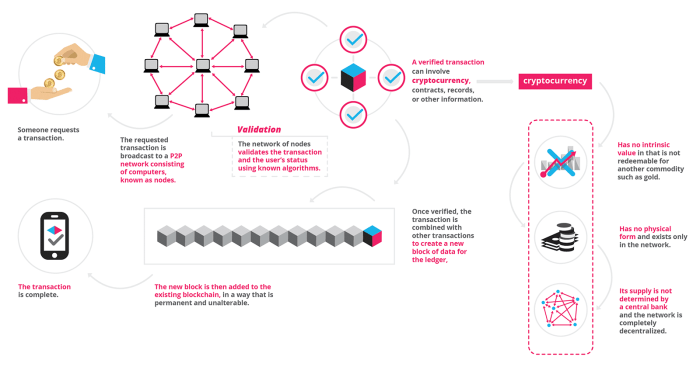
Blockchain interoperability is a game-changer, enabling seamless interaction between different blockchain networks. This capability enhances functionality and opens up new possibilities across various sectors. By allowing disparate systems to communicate, interoperability not only streamlines operations but also fosters innovation and collaboration.One of the most significant benefits of interoperability lies in its application across diverse industries. In finance, for instance, interoperability facilitates cross-border transactions, allowing different financial institutions to efficiently transfer assets and data.
In supply chain management, it enhances transparency and traceability, enabling stakeholders to track goods in real-time across multiple platforms. Healthcare also reaps the benefits, with interoperable systems allowing for the secure sharing of patient data among providers and institutions, leading to improved patient outcomes.
Financial Sector Applications
In the financial industry, interoperability is crucial for optimizing operations and expanding market access. By enabling various blockchains to work together, transactions can occur without the need for intermediaries, reducing costs and increasing transaction speed.
Cross-Border Payments
Platforms like Stellar allow for quick and cost-effective international money transfers by linking different currencies on their blockchain.
Decentralized Finance (DeFi)
Solutions like Aave and Compound facilitate lending and borrowing across multiple assets, demonstrating how different protocols can interoperate to create a rich DeFi ecosystem.
Tokenized Assets
Projects like Polymath enable the creation and management of security tokens across different blockchains, allowing investors to access a wider range of assets.
Supply Chain Management Innovations
Interoperability plays a pivotal role in enhancing supply chain processes by enabling various systems to work in harmony. The ability to share data across platforms ensures better coordination and transparency among participants.
Real-Time Tracking
Platforms like VeChain allow stakeholders to track products as they move through the supply chain, enhancing accountability and reducing fraud.
Smart Contracts
Companies like IBM and Maersk utilize blockchain-enabled smart contracts to automate processes such as shipment verification, further streamlining operations.
Data Sharing
Systems like TradeLens enable different supply chain entities to share critical information securely, improving decision-making and efficiency.
Healthcare Sector Benefits
Blockchain interoperability in healthcare leads to more integrated systems that can dramatically improve patient care. The capacity to share data across different healthcare providers ensures comprehensive patient management.
Patient Records Sharing
Projects like MedRec are designed to allow patients and healthcare providers to access and manage medical histories across various platforms, ensuring continuity of care.
Drug Traceability
Systems such as Chronicled enable the tracking of pharmaceuticals across the supply chain, combating counterfeit drugs while ensuring compliance with regulations.
Research and Data Analysis
Interoperable blockchain solutions allow researchers to access aggregated patient data securely, fostering advancements in medical research and public health.
Challenges and Barriers to Interoperability: Blockchain Interoperability: Why It Matters
Achieving blockchain interoperability is not without its hurdles. As the technology continues to evolve, various challenges arise, spanning technical, regulatory, economic, and security domains. Understanding these obstacles is crucial for stakeholders aiming to create a more integrated blockchain ecosystem.Technical challenges are often the most visible roadblocks in the quest for interoperability. Each blockchain network operates on distinct protocols and consensus mechanisms, making direct communication and data exchange complex.
The need for uniform standards and protocols is evident. Without a common language, different chains struggle to interact seamlessly, leading to inefficiencies or even failures in cross-chain transactions.
Regulatory and Economic Challenges
Regulatory landscapes can significantly impact blockchain interoperability. As governments around the world grapple with the implications of decentralized technologies, varying regulations emerge, complicating collaboration across borders. Some key considerations include:
-
Legal recognition of digital assets varies internationally, affecting how they can be transferred across chains.
-
Compliance with anti-money laundering (AML) and know your customer (KYC) regulations can hinder cross-chain transactions.
-
Tax implications can differ from one jurisdiction to another, complicating economic interactions between blockchains.
Economic barriers also play a significant role in interoperability. The costs associated with developing and maintaining interoperability solutions can deter projects from pursuing these routes. Moreover, competing networks may prioritize their ecosystems over collaborative efforts, leading to fragmented solutions that fail to deliver comprehensive interoperability.
Security Concerns in Cross-Chain Interactions
The security of cross-chain interactions is paramount. Engaging in transactions across different blockchain networks introduces several vulnerabilities. Primary concerns include:
-
Smart contract exploits can lead to significant losses if a bridge between two networks is compromised.
-
Data integrity is at risk when information is shared between differing protocols, potentially leading to discrepancies and fraud.
-
Third-party services used for interoperability may become single points of failure, increasing the risk of hacks or malfunctions.
To mitigate these risks, robust security measures must be established, including thorough audits of smart contracts and the use of secure cross-chain communication protocols.
Governance Issues in Collaborative Networks
Governance is another critical aspect that presents challenges when multiple blockchain networks collaborate. Differing governance models can lead to misunderstandings and conflicts. Key issues include:
-
Decision-making processes may differ significantly, impacting how changes are proposed and implemented across chains.
-
Disagreements on protocol upgrades can stall interoperability efforts, as each network may have its own priorities.
-
Accountability becomes complex, complicating the resolution of disputes that arise during cross-chain interactions.
Establishing a unified governance framework that accommodates the needs and characteristics of each blockchain network is essential for successful collaboration. Clear communication and defined roles can help alleviate some of these governance challenges, fostering a more cooperative environment for interoperability.
Future Trends in Blockchain Interoperability

Source: inteldig.com
The landscape of blockchain interoperability is evolving rapidly, driven by emerging technologies and the growing demand for seamless interactions across different blockchain networks. As various industries recognize the potential of blockchain to transform their operations, the focus on interoperability becomes increasingly crucial. Understanding the future trends that will shape this space is essential for stakeholders looking to harness the full potential of blockchain technology.
Emerging Trends Influencing Interoperability
Several trends within the blockchain ecosystem are poised to enhance interoperability. Firstly, the development of cross-chain communication protocols is gaining momentum. These protocols facilitate the transfer of data and assets between disparate blockchain networks, addressing one of the primary barriers to interoperability. Innovations in layer-two solutions are also contributing by allowing transactions and interactions to occur off the main blockchain while ensuring security and scalability.Another significant trend is the rise of blockchain frameworks and platforms designed specifically for interoperability.
Projects like Polkadot and Cosmos are leading the charge with their unique architecture that enables multiple blockchains to interconnect. These frameworks promise to create a more cohesive blockchain ecosystem where assets and data can flow freely, reducing silos and enhancing collaboration.
Role of Decentralized Finance (DeFi) in Shaping Interoperability Standards
Decentralized finance (DeFi) is revolutionizing the financial landscape and is also a significant player in establishing interoperability standards. The DeFi ecosystem thrives on the ability to interact with various blockchain networks, necessitating robust interoperability solutions. As more DeFi projects emerge, they are setting precedents for how protocols can communicate and integrate across different chains.Examples like Uniswap and Aave highlight the importance of interoperability.
These platforms often leverage bridging technologies to connect with other blockchains, allowing users to access a broader range of liquidity and financial services. This trend not only drives innovation but also creates a demand for standardized protocols that can support cross-chain interactions seamlessly.
Advancements in Technology Addressing Interoperability Issues
Technological advancements are crucial in tackling the existing challenges of blockchain interoperability. The introduction of zero-knowledge proofs (ZKPs) provides a method to securely verify transactions across different blockchains without revealing sensitive data. This enhances privacy while enabling interoperability.Additionally, advancements in artificial intelligence (AI) and machine learning (ML) are being explored to optimize interoperability solutions. These technologies can analyze vast amounts of data to identify the most efficient paths for cross-chain transactions, minimizing latency and enhancing user experience.
Furthermore, the integration of oracles is essential for bridging real-world data with blockchain networks. Oracles help synchronize events between different chains, ensuring accurate and timely information flow, which is critical for various applications, including DeFi, supply chain management, and more.In summary, the future of blockchain interoperability is marked by innovative trends and technological advancements that promise to create a more interconnected and efficient blockchain ecosystem.
Understanding these dynamics will play a vital role for businesses and developers looking to leverage the full capabilities of blockchain technology.
Stakeholder Perspectives
The perspectives of various stakeholders in the blockchain ecosystem are crucial in understanding the importance of interoperability. Developers, businesses, and regulators each bring unique insights that highlight the multifaceted benefits and challenges of creating interconnected blockchain systems.
Developers’ Insights on Interoperability
Developers play a vital role in the implementation of blockchain technology. They express that interoperability is essential for enhancing user experience and expanding the functionality of decentralized applications (dApps). A significant point raised by developers is the need for seamless interaction between different blockchain networks. This connection allows for improved scalability and flexibility in developing solutions that leverage multiple blockchain capabilities.
“Interoperability is not just an option; it’s a necessity for the evolution of blockchain technology.”
Some specific benefits highlighted include:
- Increased user engagement by allowing users to access services across different networks without needing multiple wallets or platforms.
- The ability to conduct cross-chain transactions, which reduces fragmentation in the blockchain space.
- Enhanced security by diversifying assets across various networks, thereby minimizing risks associated with single points of failure.
Business Perspectives on Interoperable Solutions
Businesses are increasingly recognizing the value of interoperable blockchain solutions for streamlining operations and enhancing competitiveness. The growing trend of collaboration among enterprises aims to create more comprehensive products and services by leveraging blockchain’s unique properties. The need for interoperability can be illustrated by:
- Supply chain management: Companies can track products across different blockchain systems, ensuring transparency and traceability.
- Financial services: Banks and financial institutions can facilitate cross-border transactions more efficiently by utilizing multiple blockchain networks.
- Healthcare: Patient data can be shared across different health systems securely, improving patient outcomes and data management.
“Interoperable blockchain solutions empower businesses to innovate and adapt in a rapidly evolving marketplace.”
Regulatory and Policy Considerations
Regulators and policymakers are critical in shaping the environment for blockchain interoperability. Their perspectives often focus on creating a regulatory framework that encourages innovation while safeguarding consumer interests. The balance between fostering growth and ensuring compliance is a significant consideration for regulators.Key points from regulatory discussions include:
- Establishing standards for interoperability to ensure that different blockchain systems can communicate effectively and securely.
- Encouraging collaboration between public and private sectors to develop interoperable solutions that benefit entire ecosystems.
- Addressing concerns about data privacy and security as interoperable systems expand access to sensitive information.
“Effective regulation can serve as a catalyst for blockchain interoperability, driving both innovation and accountability.”
Overall, the perspectives of developers, businesses, and regulators illustrate a shared understanding of the importance of interoperability in the blockchain landscape. By working collaboratively, these stakeholders can contribute to a more integrated and effective blockchain ecosystem.
Conclusion and Call to Action
As we wrap up our discussion on blockchain interoperability, it’s clear that this concept is not just a technological necessity but a crucial element for the future of the blockchain ecosystem. Achieving seamless interaction between various blockchain networks can unlock immense potential and drive innovation across industries. It’s imperative for stakeholders to recognize the importance of investing in interoperability solutions to enhance their blockchain initiatives.The path to a connected blockchain ecosystem relies heavily on collaboration among diverse blockchain projects.
By working together, these projects can eliminate silos, share knowledge, and develop integrated solutions that benefit all participants in the ecosystem. This collaborative spirit can foster a vibrant environment where innovation flourishes and user experiences are significantly enhanced.
Strategies for Organizations to Begin Their Journey Towards Interoperability
To initiate their journey towards interoperability, organizations should consider several strategic approaches. Emphasizing collaboration and shared goals can lead to successful outcomes. Here are key strategies that organizations can implement:
Identify Common Goals
Organizations should first assess their objectives and identify overlapping goals with other blockchain initiatives. This alignment can create a foundation for effective partnerships.
Adopt Standard Protocols
Utilizing standard protocols such as Inter-Blockchain Communication (IBC) or Polkadot’s Substrate can streamline communication between different blockchain systems. These standards facilitate easier integration and interaction.
Invest in Research and Development
Allocating resources towards R&D can help organizations explore innovative interoperability solutions. Staying at the forefront of technological advancements can give them a competitive edge.
Engage with Consortia
Joining industry consortia, such as the Enterprise Ethereum Alliance or the Blockchain Interoperability Alliance, allows organizations to collaborate with peers, share insights, and develop interoperable solutions together.
Focus on User Experience
Ultimately, the goal of interoperability is to enhance user experience. Organizations should prioritize designing solutions that are intuitive and accessible, making it easier for users to interact across different blockchain networks.By implementing these strategies, organizations can not only position themselves as leaders in the blockchain space but also contribute to building a more interconnected and efficient blockchain ecosystem. The future of blockchain interoperability is bright, and those who embrace it now will reap the benefits tomorrow.
Closing Summary
In conclusion, the path towards blockchain interoperability is filled with both challenges and immense potential. As stakeholders across the ecosystem recognize its importance, a collective effort toward collaborative standards and solutions will be essential. Ultimately, investing in interoperability is not just a technical necessity; it is the key to unlocking a future where blockchain networks work together seamlessly to drive progress across various sectors.
FAQs
What is blockchain interoperability?
Blockchain interoperability refers to the ability of different blockchain networks to communicate and interact with one another, enabling data and value transfer across platforms.
Why is interoperability important?
Interoperability is important because it allows for greater collaboration, enhances efficiency, reduces operational silos, and unlocks innovative use cases across various industries.
What are the challenges to achieving interoperability?
Challenges include technical complexities, regulatory hurdles, security concerns, and governance issues that arise from the collaboration of multiple networks.
How can businesses benefit from blockchain interoperability?
Businesses can benefit through improved operational efficiency, reduced costs, enhanced data sharing, and the ability to create new services that leverage the strengths of multiple blockchain networks.
Are there any successful examples of blockchain interoperability?
Yes, successful examples include projects like Polkadot and Cosmos, which facilitate interoperability between different blockchain ecosystems.